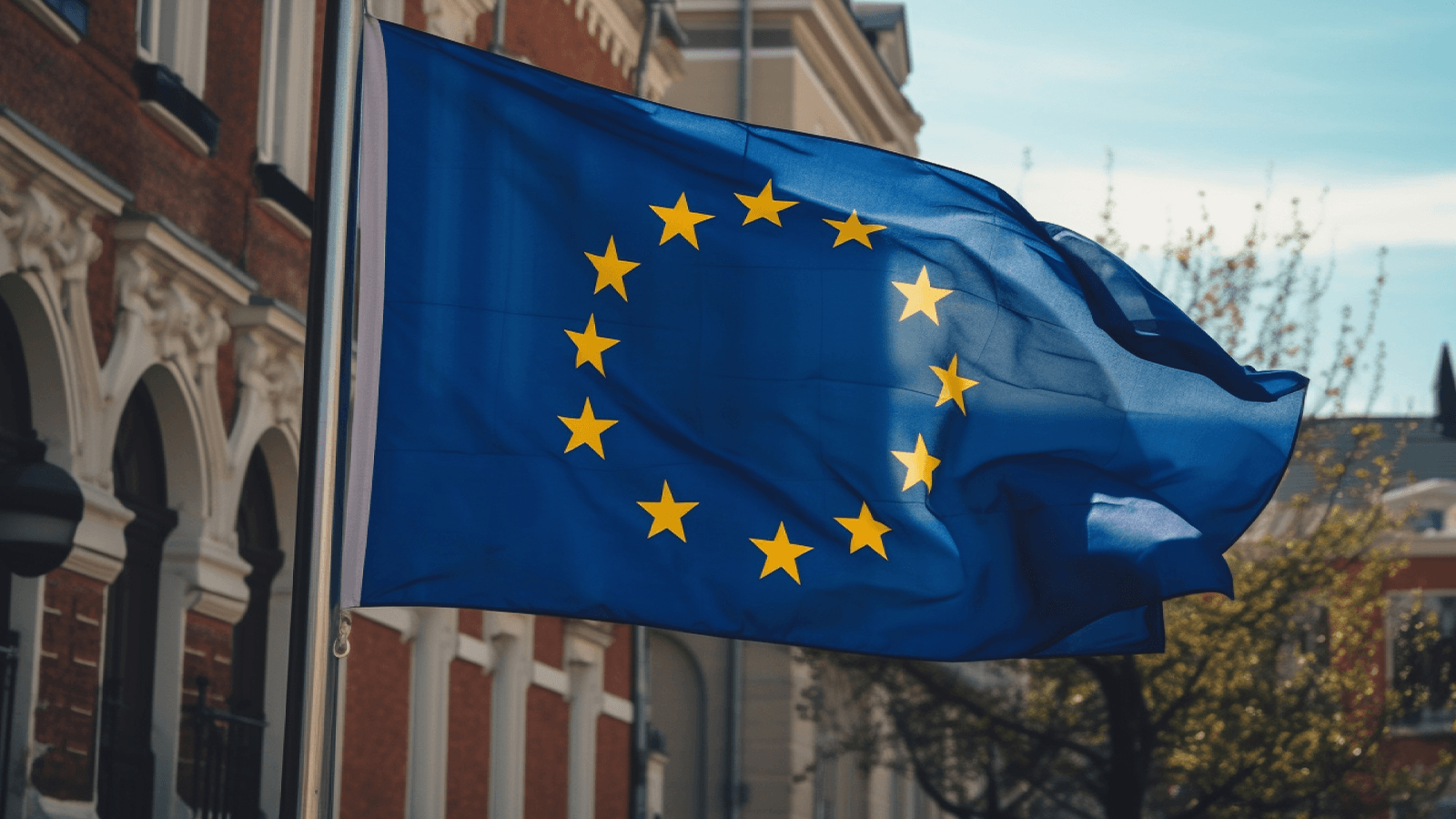


Digital Services Act and Digital Markets Act: The New European Rules
By Nicolò Ghibellini
In December 2020, the European Commission presented a package of measures designed to update the EU regulatory framework for the digital sector. The package consisted of two proposed regulations: the Digital Services Act (DSA), aimed at regulating the safety, transparency and access conditions of online services, and the Digital Markets Act (DMA), focused on commercial and competition-related aspects.
Digital Services Act
Particular attention should be given to the DSA, which was recently approved by the European Parliament on 5 July 2022.
The DSA introduces a comprehensive framework intended to provide common rules for a safer, more transparent and more reliable online environment for consumers.
The Regulation complements the previous E-Commerce Directive by introducing significant innovations, including rules on transparency, information obligations and liability.
The new framework builds on existing legislation governing information society service providers, including Internet Service Providers, while preserving key principles such as liability exemptions for providers carrying out mere conduit, caching and hosting activities, and the principle — repeatedly confirmed by EU case law — that providers are not subject to a general obligation to monitor users’ activities.
It is worth noting that the DSA introduces a new national authority, the Digital Services Coordinator, tasked with supervising the application of the Regulation.
From an implementation perspective, following approval by the European Parliament, the DSA text will be adopted by the Council of the European Union and is expected to enter into force in 2024.
Digital Markets Act
As noted above, the European Commission’s digital strategy will be completed by the adoption of the Digital Markets Act, expected in 2023.
The DMA will be a key instrument for ensuring competition in the digital market, a sector that has so far been characterised by the strong presence of Big Tech companies.
To this end, the DMA introduces prohibitions and restrictions on certain business practices, as well as new obligations for platforms designed to promote competition.
Although a full analysis is beyond the scope of this note, particular attention should be paid to the introduction of the concept of “gatekeeper”. This status will apply to companies meeting certain criteria in terms of size, control of access platforms and market position.
Gatekeepers will be required to comply with a series of prohibitions and obligations aimed at preventing unfair practices, such as favouring their own services, and at ensuring interoperability with competing platforms. The broader goal is to improve the quality of services offered to users and consumers.
The importance of the DMA is clear, given the impact it will have — together with the DSA — on the uniform regulation of the digital market.
For further information, please contact Nicolò Ghibellini at n.ghibellini@bmvinternational.com.